The World Health Organisation – the human immunodeficiency virus (HIV) is a retrovirus that infects cells of the immune system, destroying or impairing their function. As the infection progresses, the immune system becomes weaker, and the person becomes more susceptible to infections. The most advanced stage of HIV infection is acquired immunodeficiency syndrome (AIDS). It can take 10-15 years for an HIV-infected person to develop AIDS; antiretroviral drugs can slow down the process even further.
An estimated 36.9 million people have HIV. More than 34 million people have died from the virus, making it one of the most destructive pandemics in history.
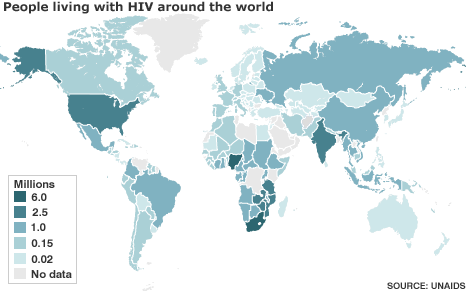
World HIV Map Courtesy of the BBC
HIV is transmitted through unprotected sexual intercourse (anal or vaginal), transfusion of contaminated blood, sharing of contaminated needles, and between a mother and her infant during pregnancy, childbirth and breastfeeding.
Zambia HIV and AIDS estimates 1.2 million people living with HIV – 2025
In September 2025 the latest global and national HIV estimates were launched by the Ministry of Health and the National HIV Council in collaboration with the United Nations and other involved parties. The following estimates were announced.
- 98% of people living with HIV aware of their status
- 98% of those diagnosed receiving treatment
- 97% of those on treatment achieving viral suppression
- 30,000 people were newly infected with HIV.
- 38% of new infections occurred among young people aged 15–24.
- Adolescent girls and young women were three times more likely to acquire HIV than their male peers.
- Despite progress on adult treatment targets, children are being left behind: an estimated 3,000 children aged 0–2 were newly infected through mother-to-child transmission, with a transmission rate of 6%, still above the global target of below 5%.
The Ministry of Health also highlighted Zambia’s success in reducing new HIV infections from 63,000 in 2010 to 30,000 in 2025, and cutting AIDS-related deaths by 73%, from 26,000 to 15,000 over the same period.
The Butterfly Tree supports HIV and AIDS Prevention projects to fight the pandemic.
The charity has trained peer educators, who have been on the orphan sponsorship programme, in HIV and AIDS prevention, which has proved to be effective.
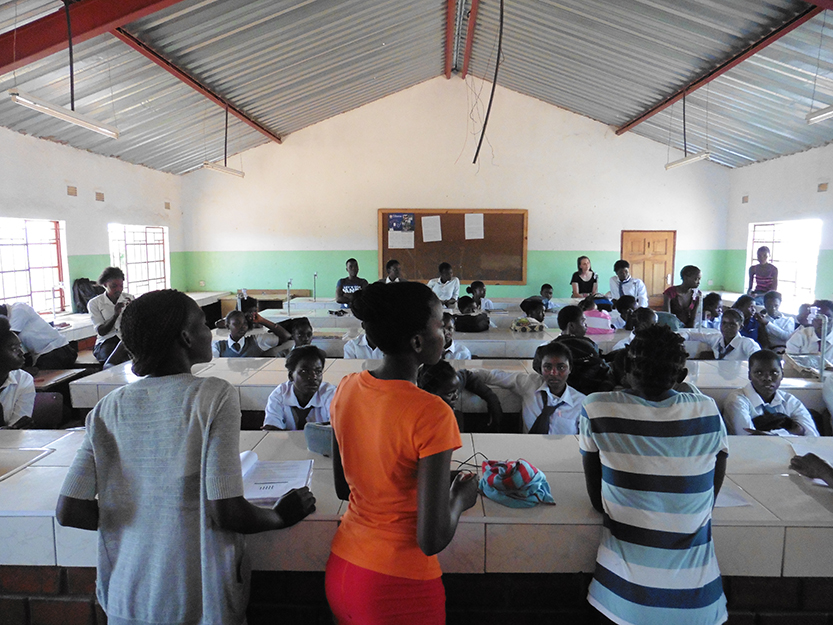
Peer educators provide vital workshops in schools
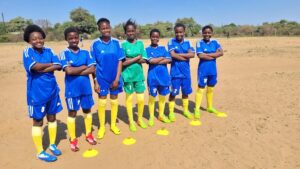
We have initiated football teams for both boys and girls and before matches the teams are given talks on HIV prevention, teenage pregnancies, and drug and alcohol abuse.
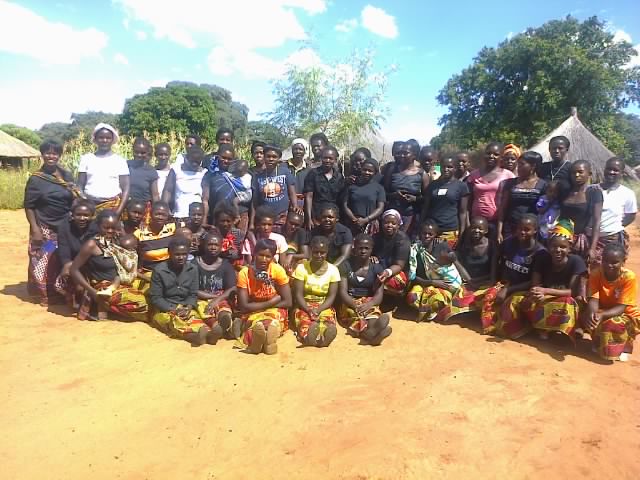
World Women’s Day 2015 – address HIV/AIDS issues at Kamwi Village